Natamycin is a natural antifungal preservative widely used in the food industry to prevent mold and yeast growth. It is commonly applied in cheese, yogurt, baked goods, processed meat, and other dairy products to extend shelf life while maintaining product quality. Because natamycin targets fungi rather than beneficial bacteria, it has become one of the most popular natural preservatives for dairy and food manufacturers worldwide. As consumers increasingly demand clean-label and naturally derived food ingredients, natamycin has gained significant attention as an effective alternative to synthetic preservatives.
Key Takeaways
Natamycin is a natural antifungal preservative produced through microbial fermentation.
It is widely used in cheese, yogurt, shredded cheese, bakery products, and processed foods to prevent mold and yeast growth.
Natamycin mainly targets fungi and has limited impact on beneficial bacteria and probiotics.
Regulatory authorities including the FDA, EFSA, and FAO/WHO recognize natamycin as safe for approved food applications.
Compared with synthetic preservatives, natamycin is preferred for clean-label and natural food formulations.
Natamycin is especially valuable in cheese production because it helps extend shelf life without affecting flavor or maturation.
Natamycin is a naturally occurring antifungal compound produced through the fermentation of the bacterium Streptomyces natalensis. It belongs to the polyene macrolide class of antimicrobials and is especially effective against molds and yeasts. Its main purpose is to inhibit mold and yeast growth while preserving the taste, texture, and quality of food. In the food industry, natamycin is also known by its food additive number: E235 (Europe).
Unlike many chemical preservatives, natamycin is considered a natural preservative because it is produced through microbial fermentation rather than synthetic chemical processes.
Natamycin has been widely approved for food use by international authorities including FDA (United States), EFSA (European Food Safety Authority), FAO/WHO Joint Expert Committee on Food Additives.
Today, natamycin is commonly used in:
Cheese
Shredded cheese
Yogurt
Sausage casings
Bakery products
Fermented foods
Beverage applications
Natamycin is produced through a natural fermentation process using Streptomyces natalensis or related microorganisms.
The manufacturing process typically includes:
Fermentation of the microorganism in a controlled environment
Extraction and purification of natamycin
Drying and formulation into food-grade powder
This fermentation-based production method is one reason why natamycin is often classified as a naturally derived food preservative.
Food manufacturers prefer natamycin because:
It is effective at very low concentrations
It works specifically against molds and yeasts
It has minimal impact on taste
It supports clean-label formulations
Commercial natamycin products are usually available in different concentrations. These formulations are selected based on specific food processing requirements.
Natamycin works by binding to ergosterol, an essential component of fungal cell membranes. By disrupting fungal cell membrane function, natamycin prevents the growth and reproduction of molds and yeasts. One of the biggest advantages of natamycin is its selective antifungal activity. It mainly targets mold and yeast. It has very limited activity against beneficial bacteria, lactic acid bacteria and probiotic cultures. This makes natamycin especially suitable for dairy applications such as cheese and yogurt, where beneficial bacterial fermentation is essential.
Because natamycin mainly remains on the surface of foods and has low solubility, it is highly effective for surface protection without deeply penetrating the product.
Natamycin is widely used in food products that are vulnerable to mold and yeast contamination. As global consumers demand longer shelf life with fewer synthetic additives, natamycin continues to gain popularity in food preservation systems. Common food applications include:
Cheese: Natamycin is frequently applied to cheese surfaces to prevent mold growth during storage and transportation.
Shredded Cheese: Shredded cheese has a larger exposed surface area, making it more susceptible to fungal contamination. Natamycin helps extend shelf life and maintain freshness.
Yogurt: Some yogurt products use natamycin to reduce surface yeast and mold growth without affecting probiotic cultures.
Processed Meat and Sausage Casings
Natamycin can help prevent fungal growth on dry sausages and meat casings.
Bakery Products: Certain baked goods use natamycin to improve shelf life and reduce spoilage.
Beverage and Fermented Products: Some beverage applications may use natamycin to control unwanted yeast contamination.
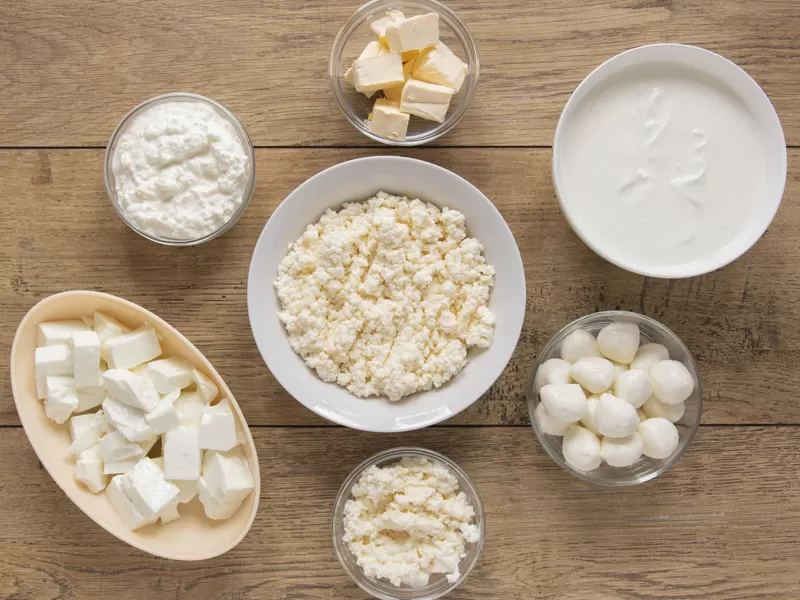
Cheese is one of the most important applications for natamycin. Cheese products are highly susceptible to mold contamination during aging, packaging, transportation and storage.
Natamycin helps dairy manufacturers:
Prevent unwanted mold growth
Extend shelf life
Maintain product quality
Reduce product waste
Improve food safety
One major advantage is that natamycin controls surface mold without interrupting the natural cheese ripening process. This is particularly important for Mozzarella, Cheddar, Gouda, Parmesan, processed cheese and shredded cheese. Natamycin is typically applied through sprayin, dipping and coating. Because natamycin remains mainly on the cheese surface, it provides targeted protection where mold contamination usually occurs. For dairy manufacturers, this helps improve production efficiency and reduce economic losses caused by spoilage.
Natamycin is widely recognized as safe for food applications when used according to approved regulations. International food safety organizations have evaluated natamycin extensively.
FDA Approval: The U.S. Food and Drug Administration (FDA) permits natamycin for specific food applications, particularly cheese and processed foods.
European Approval: In Europe, natamycin is approved as food additive E235.
FAO/WHO Evaluation: The Joint FAO/WHO Expert Committee on Food Additives has also reviewed natamycin safety data.
Current scientific evidence indicates that natamycin has low oral absorption and low toxicity. It primarily acts locally on food surfaces, effective at low concentrations. Because natamycin is poorly absorbed in the human digestive tract, it is generally considered safe when consumed within approved limits.
Natamycin is generally considered a natural preservative because it is produced through microbial fermentation. This aligns well with current clean-label food trends. Consumers increasingly prefer naturally derived ingredients, minimal processing, fewer synthetic additives, and transparent ingredient labeling. Because natamycin originates from natural fermentation rather than petroleum-based chemical synthesis, many food manufacturers use it as part of natural preservation strategies.
However, regulatory definitions of natural can vary between countries and certification systems. Food brands should always verify local labeling requirements before making natural claims.
As clean-label demand grows, many food manufacturers compare natamycin with traditional preservatives.
Natamycin Advantages:
Natural fermentation origin
Strong anti-mold activity
Effective at low concentrations
Minimal flavor impact
Excellent for dairy applications
Suitable for surface protection
Potential Limitations:
Primarily effective against fungi, not bacteria
Surface application is often preferred
Regulatory limits vary by country
Compared with synthetic preservatives such as potassium sorbate or sodium benzoate, natamycin is often viewed as a more natural and premium preservation solution.
For food and dairy manufacturers, ingredient quality and supply stability are critical. Punature Ingredients supplies high-quality natamycin products for global food applications, including Natamycin 50% and Natamycin 95%.
Punature focuses on:
Food-grade quality standards
Stable international supply
Technical application support
Dairy preservation solutions
Halal and kosher-friendly products
Global export experience
Natamycin for sale from Punature is widely used in cheese production, dairy processing, food preservation systems and mold prevention applications. As clean-label demand continues to grow worldwide, reliable natural preservative solutions are becoming increasingly important for food manufacturers.
Natamycin has become one of the most important natural antifungal preservatives in the global food industry. Its ability to effectively control mold and yeast while preserving product quality makes it especially valuable for cheese, dairy, bakery, and processed food applications. As consumers increasingly seek natural and clean-label foods, natamycin offers food manufacturers a reliable preservation solution that balances safety, effectiveness, and product quality.
For dairy and food manufacturers looking for high-quality natamycin solutions, choosing an experienced natural preservatives supplier with strong technical support and global export capability is essential for long-term product success.
Natamycin is classified as an antifungal antimicrobial compound. While it belongs to the polyene macrolide family, it is mainly used as a food preservative rather than a medical antibiotic.
Spraying allows natamycin to protect the cheese surface where mold growth commonly occurs.
Natamycin mainly targets molds and yeasts and has limited activity against beneficial probiotic bacteria.
Yes. Natamycin is widely considered safe for approved yogurt and dairy applications.
Natamycin itself is produced through fermentation and is generally considered vegetarian-friendly.
Many manufacturers prefer natamycin because it is naturally derived, highly effective against mold, and suitable for clean-label food formulations.

 English
 Español
 русский